Level Foundations Built on Stable Subgrade
Building Pads & Construction Preparation in Taft for house construction, barndominiums, pole barns, equipment storage buildings, and commercial structures requiring engineered site preparation
Construction site preparation determines whether your building sits on a stable, level foundation or struggles with settling, cracking, and drainage problems from the day the concrete cures. Building pad construction involves excavating unstable topsoil, shaping the subgrade to designed elevations, compacting fill material in controlled lifts, and creating positive drainage away from the building footprint. MBP Land Clearing prepares house pads, shop pads, barndominium sites, and commercial building pads across Taft, handling the cut-and-fill work that establishes the platform your foundation contractor will build on.
Site preparation begins with clearing vegetation and stripping organic topsoil that compresses under load, then cutting high areas and filling low spots to achieve the target pad elevation. Each fill layer is spread in eight- to twelve-inch lifts and compacted with heavy equipment before the next layer is added—this prevents voids and soft spots that cause differential settling after the building is constructed.
Request a site consultation to assess cut-and-fill quantities, drainage requirements, and access routes for material delivery and equipment operation.
What Separates Proper Pad Preparation from Inadequate Work
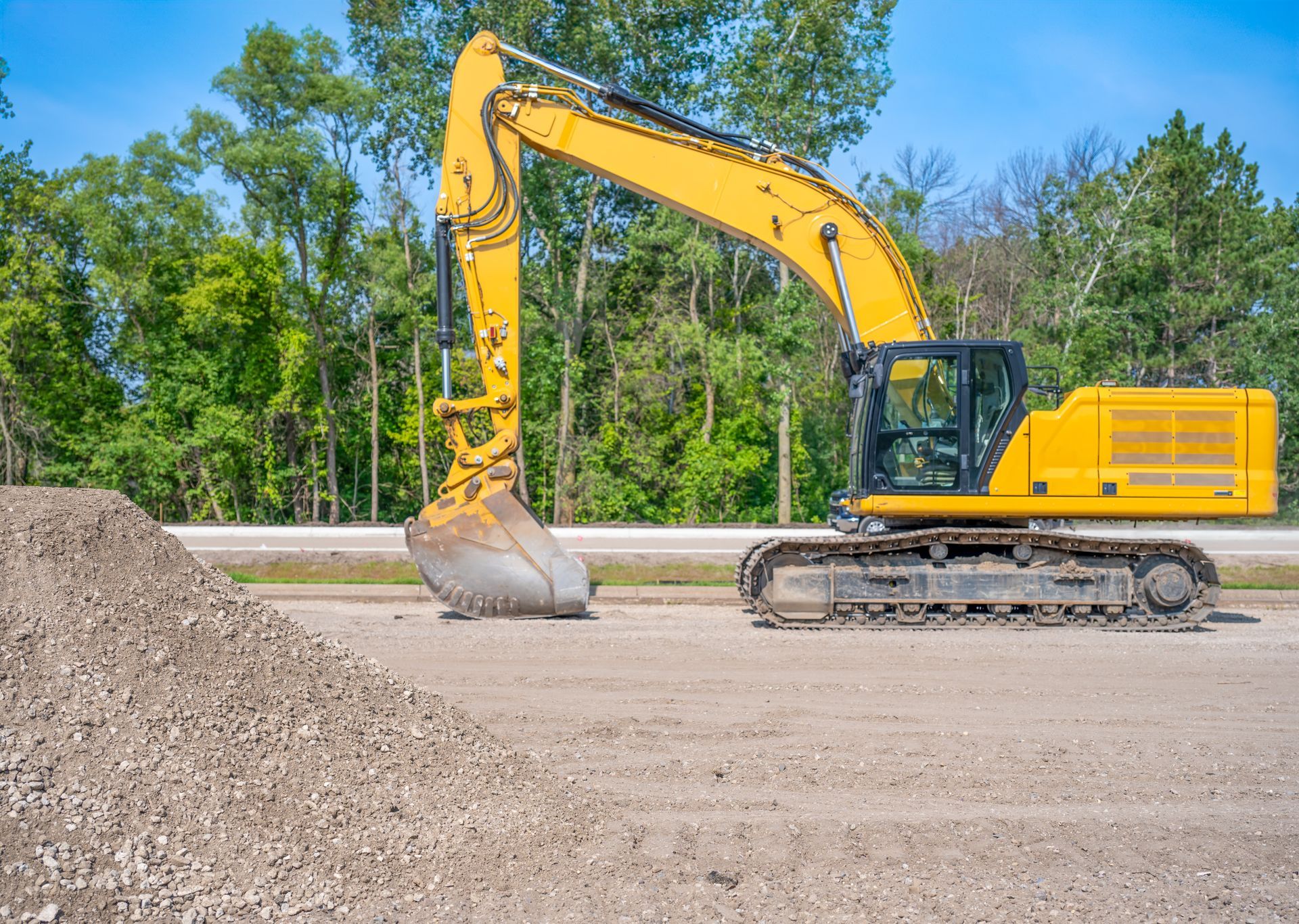
Proper pad construction accounts for more than just creating a flat area—the pad must extend beyond the building footprint to provide stable support for foundation forms and equipment access, slope away from the building location at a minimum one to two percent grade to prevent water from pooling against future foundation walls, and transition smoothly into surrounding grades without abrupt elevation changes that complicate drainage or driveway connections.
Once the pad is complete, you see a firm, level surface that doesn't deflect under the weight of loaded trucks, defined edges that clearly establish the building footprint and drainage flow directions, and compacted fill that resists rutting during foundation construction activity. Equipment pads for generator installations, HVAC units, or fuel tanks follow similar preparation steps but at smaller scale, providing stable platforms that prevent equipment from tilting or sinking into soft ground over time.
Pole barn site preparation differs slightly from conventional building pads since pole structures transfer loads through embedded posts rather than continuous foundations—these sites still require clearing, leveling, and compaction, but the pad elevation tolerance is less critical than ensuring consistent bearing at each post location.
Common Questions About This Service
Property owners planning construction projects want to understand what site preparation involves before foundation contractors arrive.
How much area needs to be cleared beyond the actual building footprint?
Pads typically extend five to ten feet beyond the building perimeter to provide workspace for foundation forms, material staging, and equipment maneuvering, with additional width required if the building includes porches, overhangs, or attached structures.
What determines whether a site needs cut or fill to reach pad elevation?
The existing ground slope and desired finished floor elevation drive cut-and-fill requirements—sloped sites often involve cutting into the hillside on one side and filling on the downhill side to create a level pad, while relatively flat sites may need minimal grading.
Why does compaction matter if the soil looks solid?
Uncompacted fill settles unevenly over months and years as air voids collapse under the building weight and moisture cycles—proper compaction removes those voids immediately, creating stable bearing that doesn't change after construction is complete.
Can building pads be prepared during wet weather in Taft?
Wet conditions make compaction difficult since saturated soil doesn't compact properly and heavy equipment creates rutting rather than firm surfaces—site preparation proceeds most efficiently during dry periods when soil moisture content allows effective compaction.
What's included in commercial building pad preparation versus residential?
Commercial pads often involve larger areas, stricter compaction specifications verified by geotechnical testing, more extensive stormwater management features, and coordination with utility installation schedules, though the fundamental grading and compaction processes remain similar to residential work.
MBP Land Clearing handles building pad construction for residential, agricultural, and commercial projects throughout Taft. Schedule a property visit to review your building plans, discuss pad dimensions and elevations, and receive detailed preparation estimates based on site-specific conditions.