Vegetation Cleared Without Burn Piles or Hauling
Forestry Mulching Services in Taft for properties requiring underbrush removal, trail access, or invasive species control without open burning
Overgrown underbrush limits land access and creates fuel loads that increase fire risk during dry periods. MBP Land Clearing provides forestry mulching in Taft, using specialized equipment that grinds vegetation into mulch spread directly on the ground rather than generating debris piles requiring burn permits or hauling. The process suits properties where you need cleared trails, maintained fence lines, or controlled vegetation without disturbing topsoil or leaving barren ground exposed to erosion.
Forestry mulching equipment cuts and grinds trees up to several inches in diameter, brush, saplings, and invasive species, leaving shredded material on-site as ground cover. The mulch layer suppresses regrowth, retains soil moisture, and decomposes over time, adding organic matter without the smoke, ash, or permitting requirements associated with burning.
Arrange an on-site evaluation to review vegetation density and determine mulching depth appropriate for your land management goals.
How Mulching Addresses Regrowth and Soil Protection
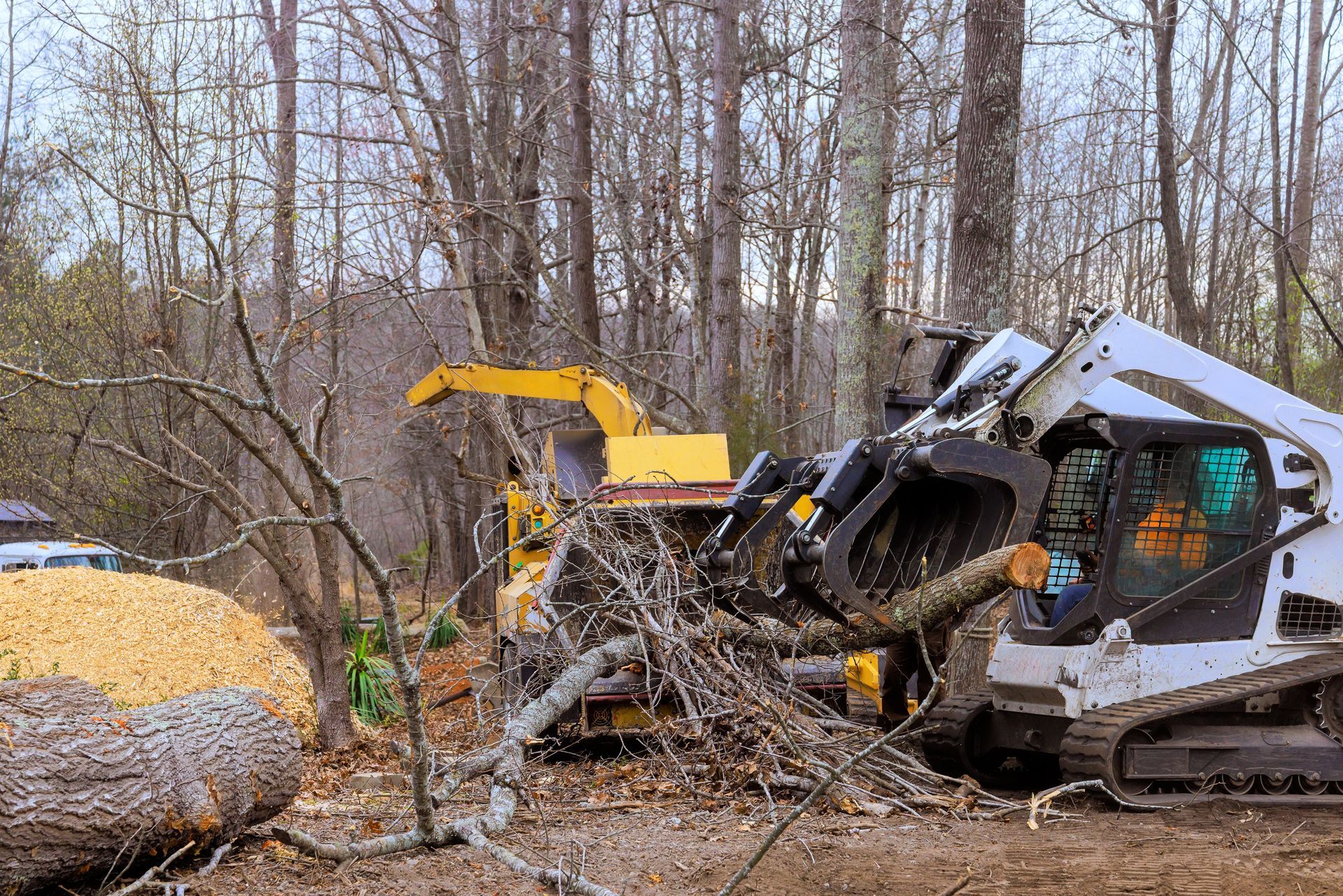
The mulching process involves a single pass with a drum fitted with cutting teeth that shreds vegetation at ground level. Unlike bulldozing, which disturbs roots and topsoil, mulching preserves soil structure while eliminating above-ground growth. The resulting mulch blanket prevents sunlight from reaching seeds and suppresses the rapid regrowth common in Tennessee's humid climate.
After mulching, you'll see cleared sightlines, accessible trails or fence lines, and a uniform mulch layer covering the ground. Rain no longer washes topsoil off cleared slopes, and the property remains passable without mud or exposed roots. The mulch decomposes gradually, improving soil quality as it breaks down rather than leaving compacted dirt vulnerable to erosion.
Mulching works for hunting land access, pasture edges, rights-of-way, and areas where you want vegetation controlled but soil protected. It's effective for clearing invasive species like privet or kudzu, where repeated regrowth makes traditional cutting impractical. The method doesn't address large-diameter trees requiring felling, and very dense hardwood stands may need supplemental clearing depending on the final land use.
Answers to Frequent Service Questions
Property owners ask about mulching versus other clearing methods, regrowth timelines, and what the mulch layer does long-term.
What size vegetation can forestry mulching handle?
Equipment processes brush, saplings, and trees typically up to six or eight inches in diameter, depending on species hardness—larger trees require felling and separate removal before mulching the surrounding underbrush.
How long does the mulch layer suppress regrowth?
Suppression lasts one to three years depending on mulch depth and species present, with thicker layers and hardwood mulch providing longer control than thin coverage over aggressive grasses.
When is mulching preferred over traditional clearing and hauling in Taft?
Mulching suits projects where soil erosion is a concern, burn permits aren't practical, or you're managing large areas where hauling costs would exceed the value of debris removal.
What happens to invasive species after mulching?
The mulch layer prevents light from reaching cut stumps and suppresses sprouting, though some aggressive invasives may require follow-up treatment or repeated mulching to achieve full control.
How does mulched ground compare to cleared and bare soil?
Mulch retains moisture, moderates soil temperature, and prevents erosion, while bare soil compacts, erodes in rain, and supports faster weed establishment once initial clearing disturbance settles.
MBP Land Clearing applies forestry mulching to properties throughout Taft requiring eco-friendly vegetation management. Request a property assessment to review terrain, vegetation type, and access routes for mulching equipment.