
Fields and Pastures Maintained for Continued Use
Bush Hogging & Brush Cutting in Taft for overgrown pastures, unmowed fields, and properties requiring seasonal vegetation control
Tall grass, woody saplings, and encroaching brush turn pastures into unusable tangles within a single growing season in Tennessee's climate. Bush hogging uses heavy rotary mowers pulled behind tractors to cut dense vegetation that standard mowers can't handle, maintaining farm fields, roadsides, and properties where seasonal growth outpaces manual cutting. MBP Land Clearing operates bush hogging and brush cutting equipment throughout Taft, managing properties where vegetation height, density, or stem thickness prevents conventional mowing.
The equipment cuts through brush several feet tall, small saplings, and matted grasses, shredding material and leaving it on the ground to decompose. This maintains open land without requiring debris removal, and repeated seasonal cutting prevents woody species from establishing root systems that lead to permanent forest encroachment.
Schedule a field assessment to determine mowing frequency and equipment requirements based on current overgrowth and intended land use.
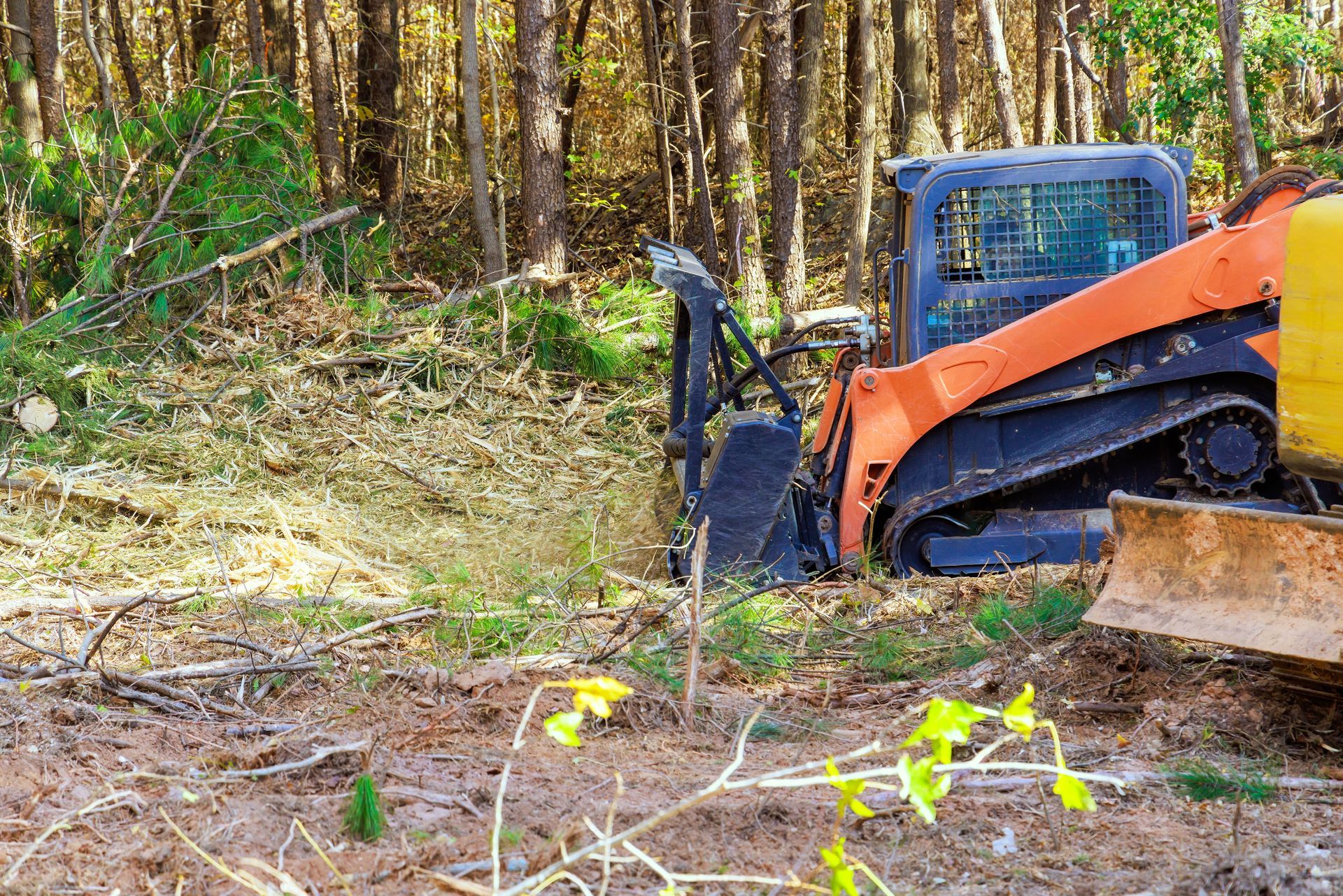
What Changes After Overgrown Land Is Cut
Bush hogging involves tractor-mounted rotary blades that cut vegetation several inches above ground level, handling stem diameters up to two or three inches depending on blade configuration. The cut material falls and decomposes in place, avoiding the time and cost of raking, baling, or hauling. Cutting height can be adjusted to leave stubble that protects soil or cut closer for cleaner appearance depending on whether the land is used for grazing, aesthetics, or wildlife management.
After cutting, you'll see clear sightlines across the property, accessible ground for walking or vehicle passage, and vegetation reduced to manageable height. Pastures become usable for livestock again, roadside visibility improves, and fire fuel loads decrease. The field remains vegetated rather than bare, so erosion risk stays low and the ground cover continues controlling dust.
Bush hogging is a maintenance service rather than permanent clearing—vegetation regrows and requires seasonal cutting to maintain open conditions. Properties used for farming, hunting access, or rural home sites typically need cutting once or twice per year. The service doesn't remove stumps, roots, or rocks, and very uneven terrain may limit equipment access or cutting effectiveness.
Common Questions About This Service
Property owners managing overgrown land ask about timing, equipment limitations, and how often cutting is needed.
What vegetation types does bush hogging handle?
The equipment cuts tall grasses, briars, brush, and saplings up to a few inches thick, but doesn't process mature trees, large stumps, or dense hardwood thickets requiring forestry mulching or clearing.
How does seasonal timing affect mowing results in Taft?
Cutting during active growing season means faster regrowth, while late-season mowing before frost reduces the amount of spring growth and delays the next mowing cycle.
What happens to the cut material after mowing?
Shredded vegetation stays on the ground and decomposes, adding organic matter to the soil—if you need the field clear for baling or planting, additional raking or removal would follow the initial cut.
When should pasture mowing occur relative to livestock grazing?
Mowing before grazing season opens the field and removes overgrowth that cattle avoid, and post-season mowing controls weeds and brush that established during grazing.
How does bush hogging differ from finish mowing?
Bush hog blades handle rough terrain and thick stems that would damage finish mower decks, but leave a rougher cut appearance—finish mowing follows if you need manicured results after initial brush control.
MBP Land Clearing provides bush hogging and brush cutting for properties throughout the Taft area requiring vegetation management. Contact us to review field conditions, terrain challenges, and seasonal mowing schedules for your property.