
Surface That Handles Heavy Loads Daily
Driveway Installation & Gravel Services in Taft for properties requiring new access roads, driveway extensions, or gravel surface restoration
Driveways that hold up under regular truck traffic, equipment hauling, and Tennessee weather cycles require more than a layer of stone spread over bare ground. Proper base preparation determines whether your driveway develops ruts, potholes, and washouts after the first heavy rain or maintains a stable surface for years. MBP Land Clearing installs new gravel driveways, extends existing access roads, and resurfaces worn driveways across Taft using grading and compaction techniques that prevent the stone from sinking into soft subgrade during wet seasons.
Installation begins with clearing vegetation and topsoil, grading the driveway path to promote water runoff toward ditches or swales, then adding compacted base layers before final stone placement. Crusher run—a blend of crushed stone and fines—compacts tighter than rounded gravel and creates an interlocking surface that resists displacement under vehicle weight.
Arrange an on-site consultation to evaluate your property's slope, drainage patterns, and access requirements for accurate material estimates.
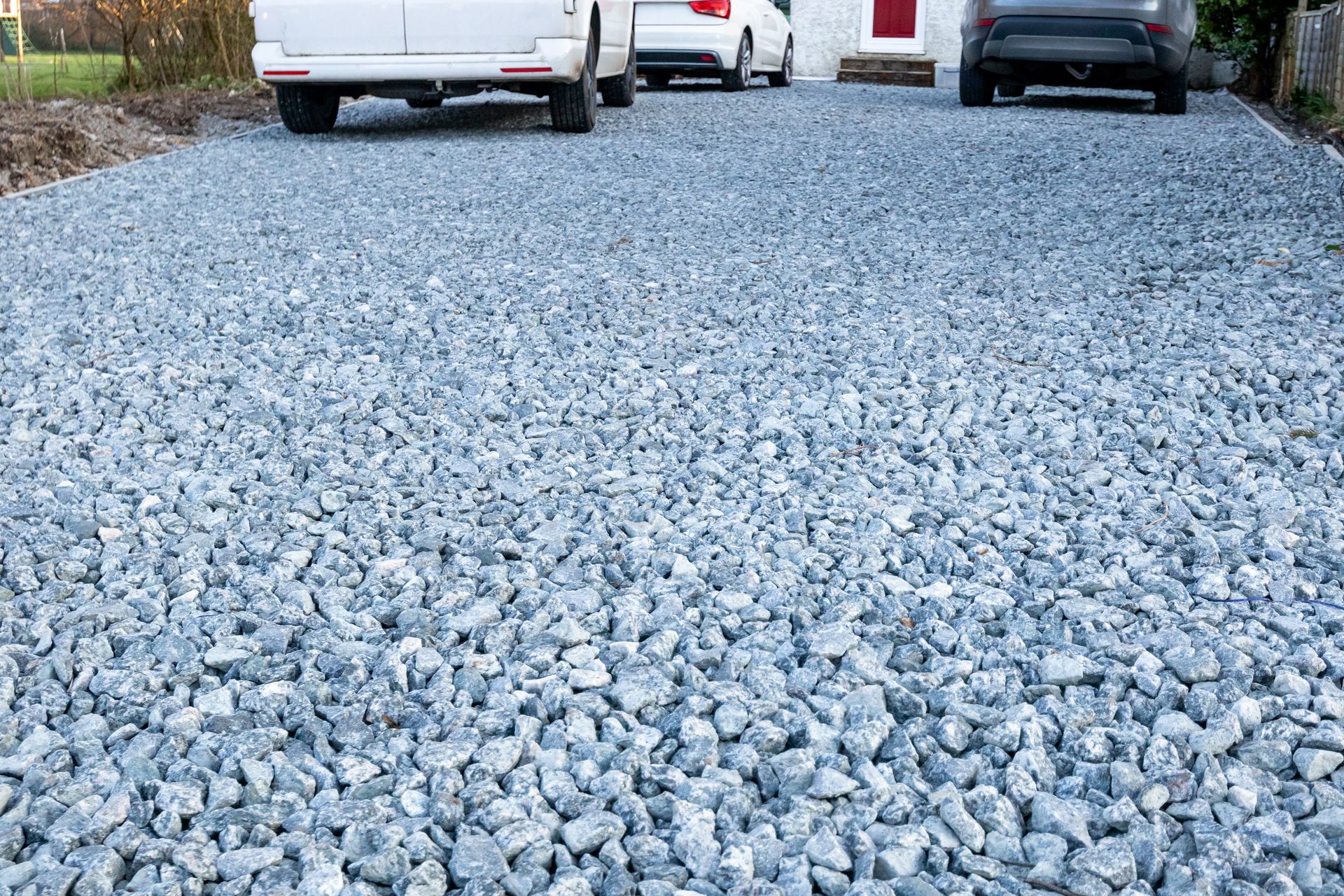
Why Grading Matters Before Stone Placement
Grading establishes the crown—a subtle center peak that sheds water toward both edges of the driveway rather than allowing it to pool in tire tracks. Without this crown, water soaks into the base layer, softening the subgrade and allowing stone to sink unevenly, which creates the ruts and low spots that worsen with each rain event.
After grading and stone installation, your driveway maintains a firm surface that doesn't shift under braking or turning forces, sheds water effectively during storms, and supports loaded trailers or delivery trucks without creating deep impressions. Driveway extensions follow the same process, matching the grade and stone type of the existing surface to create a seamless transition.
Resurfacing adds fresh stone over worn driveways where the base remains intact but the top layer has scattered or compacted too thin—this restores traction and appearance without the cost of full reconstruction, though severely rutted driveways benefit more from regrading the base before new stone is applied.
Common Questions About This Service
Homeowners and property managers often want specifics before committing to driveway work.
What's the difference between crusher run and regular gravel?
Crusher run contains angular stone fragments mixed with fine dust that compacts into a dense, stable surface, while rounded gravel lacks fines and shifts more easily under vehicle weight, making it less suitable for driveways with regular use.
How thick should the gravel layer be for a residential driveway?
Most driveways in Taft perform well with four to six inches of compacted stone over a graded subgrade, though driveways supporting heavy equipment or frequent trailer traffic benefit from thicker base layers of eight inches or more.
When is regrading necessary versus just adding more stone?
Regrading becomes necessary when the driveway has lost its crown and developed ruts deeper than two inches, since adding stone over uneven subgrade only provides temporary improvement before the same low spots reappear.
How soon can a new driveway be used after installation?
Freshly installed driveways are immediately drivable, though allowing a few days for the stone to settle and compact under light traffic before heavy loads improves long-term stability.
What causes gravel driveways to wash out during heavy rain?
Washouts occur when water flows directly down the driveway surface instead of draining to the sides—proper grading with adequate crown and side ditches directs runoff away from the stone surface, preventing erosion and material loss.
MBP Land Clearing provides driveway installation and gravel services throughout Taft, including grading, stone delivery, and compaction. Schedule a property visit to discuss driveway dimensions, stone options, and drainage considerations specific to your site.